

Student Farmer Field School (SFFS)
SFFS regular classes are being conducted in CNRM college Pokhara -19 Kaski with 43 students enrolled. 13th class has been conducted with theory and practical session in field and potato is about to mature within few weeks. Students are taking the AESA data on a weekly basis in their subgroups and learning IPM practices in with potato crop.

IPM FFS program
20 IPM FFS are ongoing in 8 districts among them 10 are about to complete as they were in winter crops (Cole crops, potato, tomato) while reaming 10 are ongoing on this summer season with cucurbits (mainly Bitter gourd, cucumber, cowpea). Currently farmers are learning nursery management of the cucurbit crops and in few places they have transplanted the seedlings. Farmers in Surkhet were taught the process of managing the nursery during the FFS class.

Research in Wheat Crop
Under the topic “Integrating biochar and biofertilizer to improve soil structure and water retention for enhanced wheat yield under drought conditions” research is being conducted at Panchapuri Municipality of Surkhet. The main objective of this research was to increase the production of wheat and enhance soil fertility through integrating biochar and biofertilizerI, the principle researcher is Mr.Satya prasad Bhattrai (Msc Student) from Institute of agriculture and animal science, under Tribhuvan university.
The study demonstrated that biochar-treated plots under drought conditions exhibited higher leaf chlorophyll content, superior vegetative growth (notably at 16 t/ha without fertilizer), and enhanced drought resilience, maintaining robust growth despite no post-sowing irrigation due to improved soil moisture retention and nutrient availability, while non-biochar plots showed premature leaf browning. Biochar combined with biofertilizer synergistically supported strong panicle initiation, likely via enhanced microbial activity and root-zone hydration, whereas biofertilizer alone provided only transient benefits, with panicle size and leaf length declining after 60 days compared to biochar-amended plots, though still outperforming the control. These learning position biochar as a key soil amendment for drought-prone regions, with future research needed to optimize biochar-biofertilizer interactions, assess long-term soil health, and evaluate scalability for climate-resilient agriculture.
Entrepreneurship and Business Plan Development Training
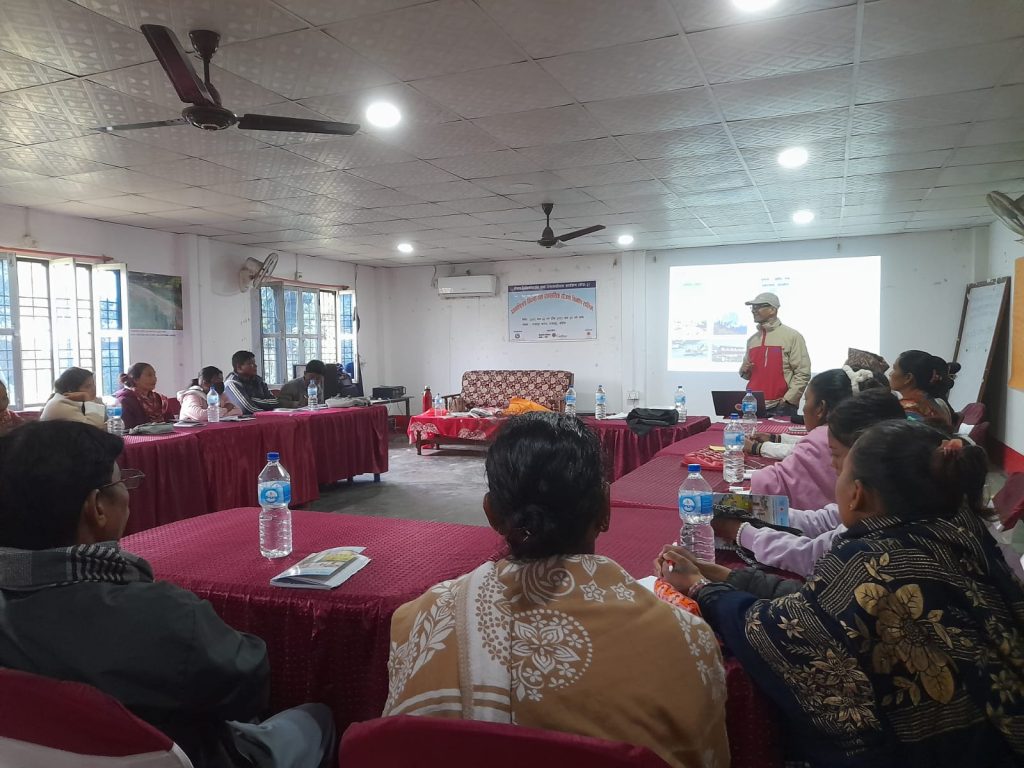
Three days entrepreneurship and business plan development training were conducted in Rajapur, Bardiya from February 4 to 6, 2025. 21 new enterprise members learned important skills to become entrepreneurs, covering areas such as market analysis, financial management, idea generations and business planning. Each participant was taught to draft their business plan, supporting them to make a foundation to start their business or for future progress.

Exposure Cross-Peer Learning Visit
From February 21 to 22, 2025, a cross-peer learning visit was conducted for the farmers and entrepreneurs of Ghusle, Lalitpur. Twenty-three participants, including cooperative committee officers, employees, and members of vegetable and goat farming business groups, as well as home garden group members, took part in this visit. They observed various enterprises in Bandipur and learned about marketing strategies that they could apply in their own village. The itinerary included visits to the goat research program in Bandipur, the community seed bank in Tanahun, and the Green Himalaya Farm Stay and Shri Krishak Sudhar Fruit and Vegetable Cooperative Society Ltd. in Charaudi, Dhading. This exposure visit proved to be a valuable learning experience for all involved.
Skill Trainings for Cooperative Leaders
A Cooperative Management Training, under NLRP-II, took place in Jhapa from 14th to 15th ,2025, amid at enhancing capacity of 24 participants including cooperative leaders and staff. The session covered key aspects of cooperative management, including governance, financial management and building relations with the members.
A Cooperative Account Keeping Training was organized from 23rd to 27th February 2025 at Banke. This training aimed to enhance financial literacy and sound accounting practices within in the cooperative sector of 28 participants including staff and leaders from 15 cooperatives across 6 districts.
Ward-level Disability Network Committee Meeting
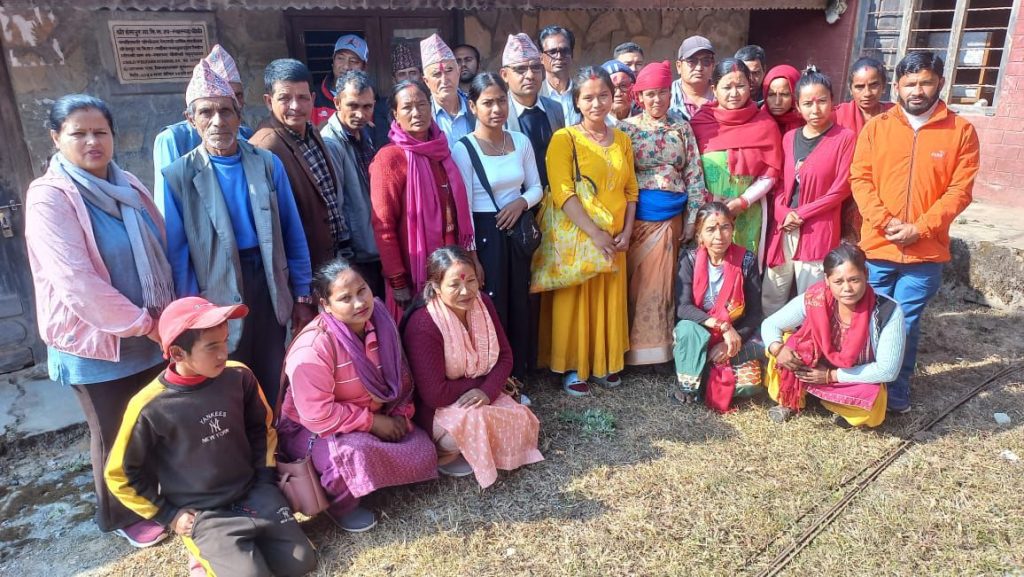
On 5th February 2025, the Ward-level Disability Network Committee having seven members was established in Rupa-7, Kaksi under the chairmanship of Amrit Gurung. NLRP-II has been focusing on reaching out to People with Disability in different working locations. 35 participants were present during the committee formation meeting, facilitated & supported by NLRP II. Till date, there were no such activities related to PwD in ward level. This network will help to mobilize resources from various sources, ensure effective communication and promote awareness of disability. The committee discussed their special needs right after their formation and sought support from ward/municipal level. Palika level disability will be formed after the formation of all ward level committee. Each ward chairman of committee will represent in palika level network.

Legal Rights and Referral Support Process on Gender-Based Violence (GBV) Training
The training on Legal Rights and Referral Support Process on Gender-Based Violence (GBV) was conducted at Baijanath Rural Municipality-1, Chisapani, Banke, organized by Chisapani Agriculture Cooperative with the support of Caritas Nepal, Kohalpur. A total of 51 participants attended, comprising 7 male, 36 female, 6 girls and 2 boys. Participants included cooperative members, child club representatives, and individuals from various homestead groups. The sessions were facilitated by representatives from the Area Police Office in Chisapani (led by ASI), the Coordinator of the Mediation Center in Chisapani, and Caritas Nepal. The training aimed to raise awareness and promote action against GBV by addressing its types, causes, legal protections, and prevention strategies. It highlighted the difference between sex and gender, societal discrimination, and the impact of GBV including domestic violence, child marriage, trafficking, and harmful practices. Additionally, it outlined relevant legal provisions within Nepal’s constitution and laws, detailing associated legal consequences and available support mechanisms.

Judicial Committee Meeting
A meeting of the Judicial Committee was held in Surkhet followed by an orientation session on available legal processes for gender-based violence (GBV) victims. 33 participants, including Caritas Nepal staff, engaged in this initiative to address GBV. The session was facilitated by Rabindra Karki, Inspector of Police as the Area Police Office in Babiyachaur aiming to empower the staff with the available information about legal rights and options. These sensitization efforts are essential for ensuring victims are informed of their rights and have the right direction to the legal system to seek justice.

Club Management and Leadership Training
A two-day Club Management and Leadership Training was conducted in Banke, where 30 students learned essential leadership skills, including teamwork, communication, and problem-solving. They also gained insights into event planning, budget allocation, writing meeting minutes, and proper documentation, equipping them to manage their club activities more effectively. In addition, the children participated in meditation and visualization exercises, envisioning their futures 10 years from now. These exercises helped them develop self-awareness, confidence, and decision-making abilities. By combining mindfulness sessions with leadership training, the program inspired the children to dream big, set clear goals, and take responsibility for shaping their futures.

Homemade Sanitary Pads Making Training
A practical training session on making homemade sanitary pads was held at Nepal Namuna Secondary School in Devchuli 1 Nawalparasi. 22 girls took part in this workshop. The training focused on teaching the girls how to create their own sanitary pads using readily available materials. This hands-on approach aimed to provide them with a sustainable and affordable solutions for menstrual hygiene. By learning to make tehri own pads, the girls gained valuable skills and knowledge that can help them manage their periods with dignity and comfort, this type of training ids important for empowering young women and promoting better health in their communities.

Interaction meeting with School Representatives
Interaction meeting was organized with School Management Committees (SMCs), parents, teachers in Kaski, and Orientation workshops were organized in Kanchanpur, and Surkhet to improve children’s well-being and protect their rights. These orientations involved how to best support children’s growth and safety, and to ensure their rights are supported. A total of 103 people, including parents and teachers, participated, leading to various discussions. In Kaski, Badri Sir from the Ministry of Education, Culture, Science, Technology, and Social Development Office led the session. In Surkhet, Dorna Raj Pathak and Om Prakash Bastola from Panchpuri Municipality guided the discussions. This meetings/orientation provided a valuable platform for parents, teachers, and officials to work together for the benefit of the children.

